- HOME
- Company Information
- History

Business for the Next 100
The NKC Group is helping to maintain the safety and security of society
by providing products and services that meet the needs of the times.
Our purpose as a manufacturing company is not simply to make products,
but also to contribute to the emergence of a society committed to sustainability
and to the resolution of societal issues through our unique technological expertise.

1924-1950Founding
From Toys to Retainers
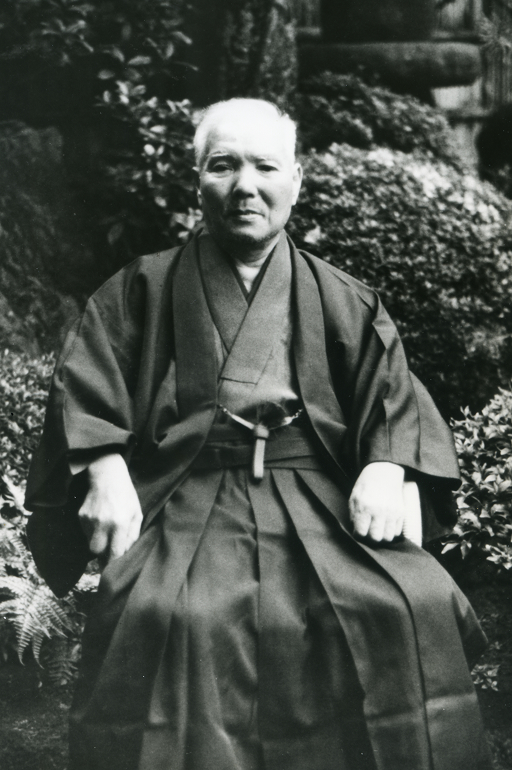
In the late Meiji period in Kyoto, Tatsujiro Nakanishi, a highly skilled decorative metal craftsman, began producing bearing retainers after an opportunity to repair bearings. In 1924, he founded Nakanishi Manufacturing Co., Ltd. in Osaka, where he manufactured metal toys as well as retainers for foot-operated threshing machines. After experiencing the Great Depression, the company operated as a munitions factory under the wartime system. Following the end of the war, it was designated for reparations and subsequently shifted to peaceful industries, namely bicycle manufacturing. By launching hit products such as the Alps model, Deluxe model, and NKK model, the company helped pave the way for postwar reconstruction.
- 1910
- Founder Tatsujiro Nakanishi encounters bearing retainers.
- 1924
- Establishment of Nakanishi Manufacturing Co., Ltd.
Manufacture of bearing retainers for foot-operated threshing machines - 1938
- Relocation to the current site and acquisition of part of a spinning mill, which became the head office
Launch of the rolling business - 1941
- Reorganization as a joint-stock company and renaming to Nakanishi Bearing Metal Co., Ltd.
- 1945
- Company name changed to Nakanishi Metal Works Co., Ltd.
- 1946
- Commencement of bicycle manufacturing
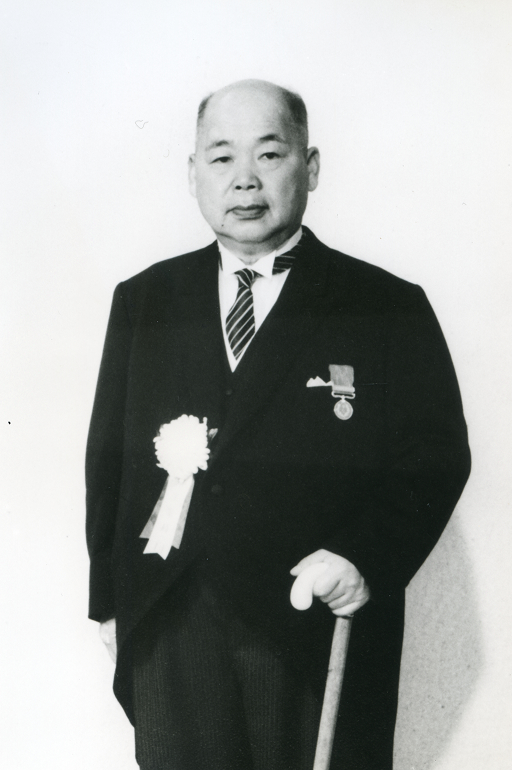
Yoshio Nakanishi appointed as the second president - 1950
- Separation and independence of the rolling business as Tenma Steel Co., Ltd.

1951-1970Overcoming Adversity and Achieving Growth
From Reconstruction to High Economic Growth
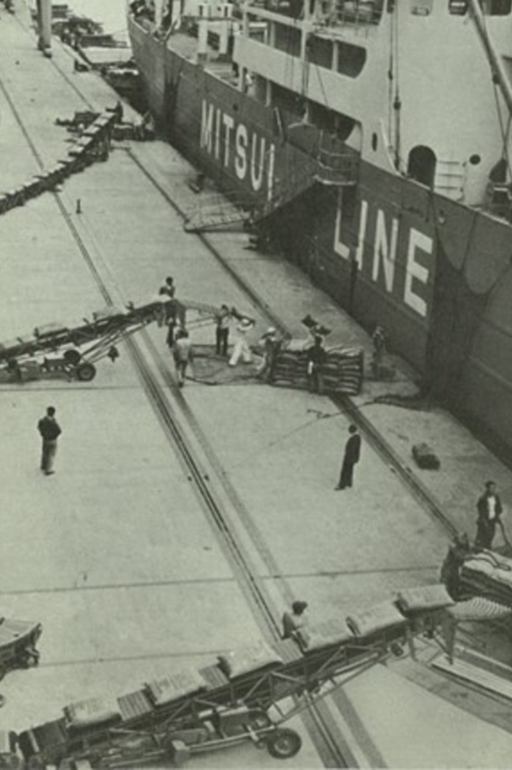
With the special procurement demand generated by the Korean War and the lifting of reparation designations, the Japanese economy began to recover and entered a period of high economic growth. The bearing industry experienced strong growth during this time. However, at Nakanishi Metal Works, bicycle manufacturing remained the core pillar of management, and the full-scale resumption of retainer production was delayed.
- 1952
- Entry into the conveyor business for home appliance manufacturers
- 1959
- Discontinuation of bicycle production and return to retainer manufacturing
- 1960
- Establishment of the Kawachi Plant and Neyagawa Plant in Neyagawa City, Osaka Prefecture
Entry into the automotive industry through orders for automobile production lines - 1965
- Commencement of production of sash rollers and entry into the special machinery business
- 1961
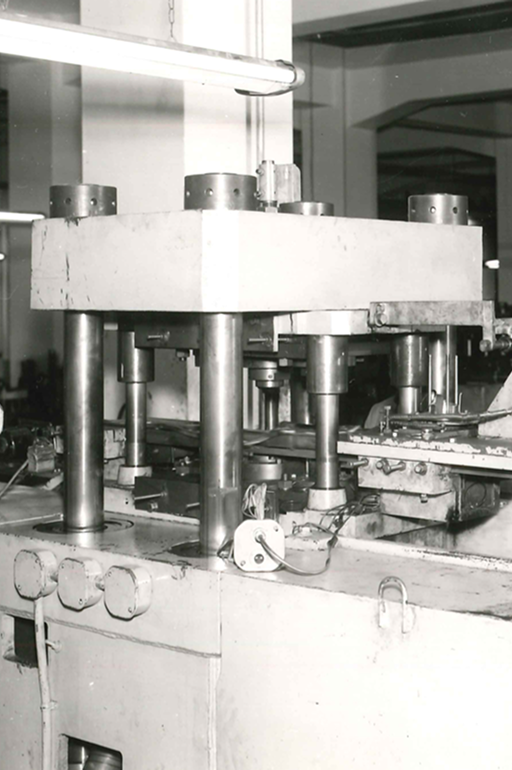
- Completion of the first transfer press machine
- 1963
- Start of production of retainers for Shinkansen bearings

1971-1980Achieving Growth Amid an Economic Slowdown in Japan
As the period of high economic growth came to an end and the oil shock caused an economic downturn, Japan sought opportunities through exports, while trade friction intensified. During this turbulent period, Nakanishi Metal Works established the Nakanishi Scholarship Foundation in 1971 using the founder’s personal assets. By providing tuition assistance free of charge to economically disadvantaged young people, the Company contributed to the development of children who would shape the future. Even amid adversity, it succeeded in balancing business growth with social contribution.
- 1972
- Commencement of electric forklift production
- 1973
- Establishment of the Shiga Plant
- 1973
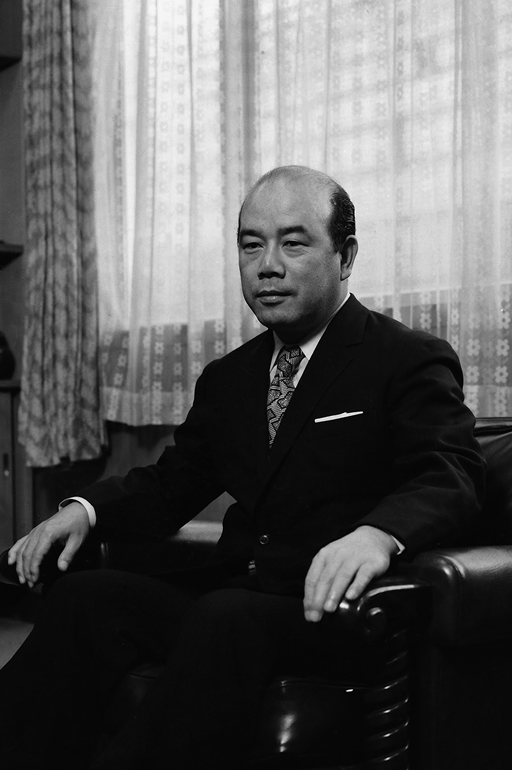
- Kazuo Nakanishi appointed as the third president
- 1973
- Separation and independence of the conveyor business Establishment of Nakanishi Conveyors Co., Ltd.
- 1979
- Establishment of Nakanishi Kosan Co., Ltd.
- 1980
- Establishment of NKC of America, Inc. Headquarters (NAI) in Tennessee, United States
- 1971
- Establishment of the Nakanishi Scholarship Foundation
- 1978
- Development of the Dolly Accumulation Conveyor (DAC)
- 1979
- Development of a full-process transfer press system for tapered retainers

1981-1990Expanded operations into the United States, resulting in a rapid increase in business scale
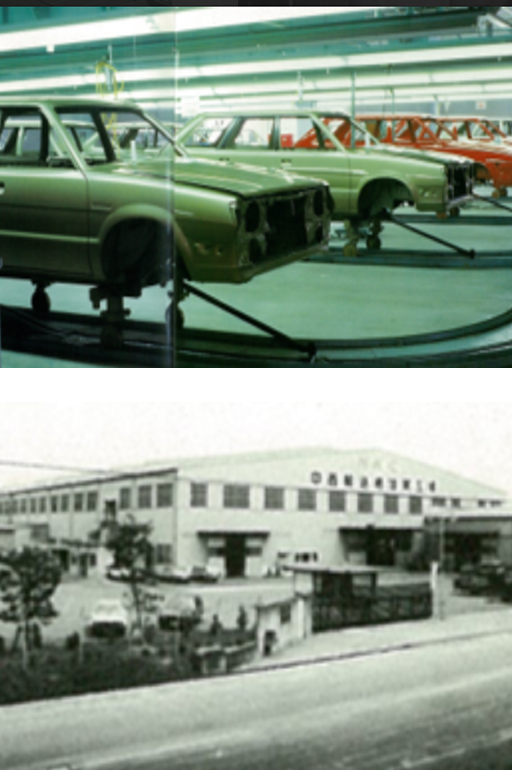
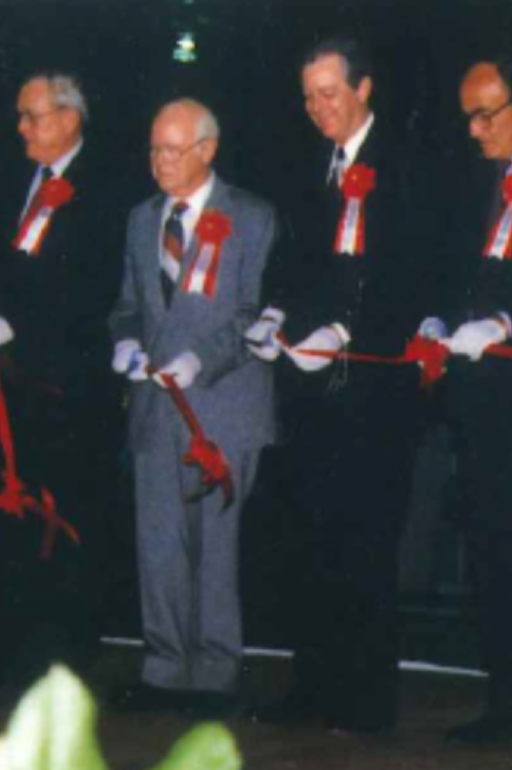
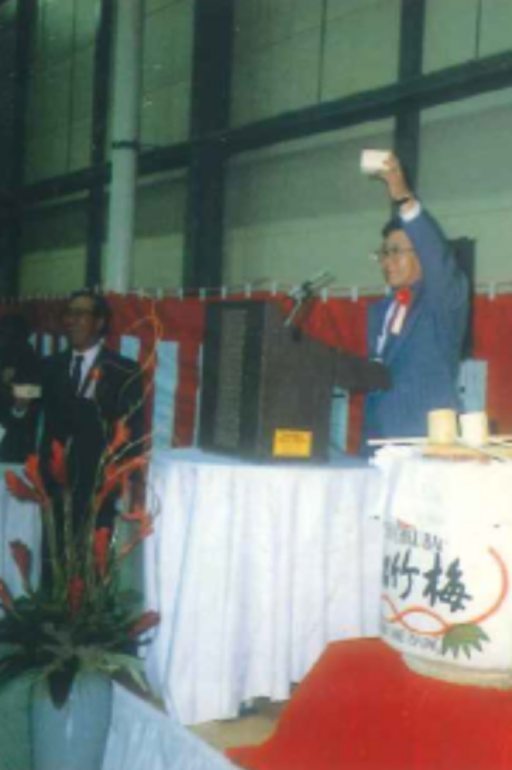
In the wake of economic friction following the second oil shock and the appreciation of the yen triggered by the Plaza Accord, the automotive and bearing industries accelerated the shift toward local production overseas. Nakanishi Metal Works likewise expanded into the United States, marking the start of its full-scale global expansion. Subsequently, during the bubble economy fueled by government monetary policy, demand surged and the Company’s business scale grew to its largest level ever.
- 1983
- Established Nakanishi Conveyors Engineering (Malaysia) Sendirian Berhad in Malaysia
- 1984
- Opened the Nabari Plant in Nabari City, Mie Prefecture
- 1985
- Established NKC of Canada, Inc. in Canada
- 1986
- Established NKC Conveyors Installation Co. in Tennessee, United States
- 1987
- Established NKC Conveyors (UK) Ltd. in the United Kingdom
- 1987
- Established Nakanishi Manufacturing Corporation (NMC) in Georgia, United States
- 1988
- Established Thai Nakanishi Co., Ltd. in Thailand
- 1988
- Established Korea Nakanishi Conveyors Co., Ltd. in South Korea
- 1988
- Established Taiwan Nakanishi Conveyors Co., Ltd. in Taiwan

1991-2000Strengthening the Corporate Foundation by Turning Adversity into a Springboard
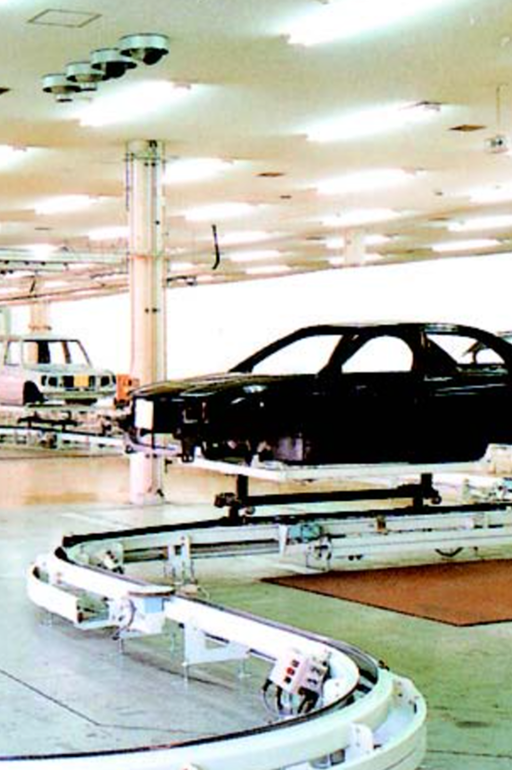
Following the collapse of the economic bubble, Japan entered what became known as the “Lost Decade.” Amid further blows from the Great Hanshin-Awaji Earthquake and the financial crisis, Nakanishi Metal Works faced mounting financial strain as a result of its proactive overseas expansion, making the reconstruction of its management foundation a critical challenge. During this period, the Company undertook reforms to its earnings structure and worked to build a more resilient corporate framework capable of supporting stable, long-term growth.
- 1991
- Established Osaka Nakanishi Metal Co., Ltd. (Neyagawa Plant)
- 1996
- Established NKC Conveyor India Private Limited (NKC India) in India
- 1996
- Tenma Sheet Metal Co., Ltd. merged with Nakanishi Metal Works to become the Tenma Sheet Metal Division
- 1997
- Established NKC Manufacturing Philippines Corporation (NPC) on Cebu Island, the Philippines
- 1999
- First introduction of the Friction Conveyor System (FCS)
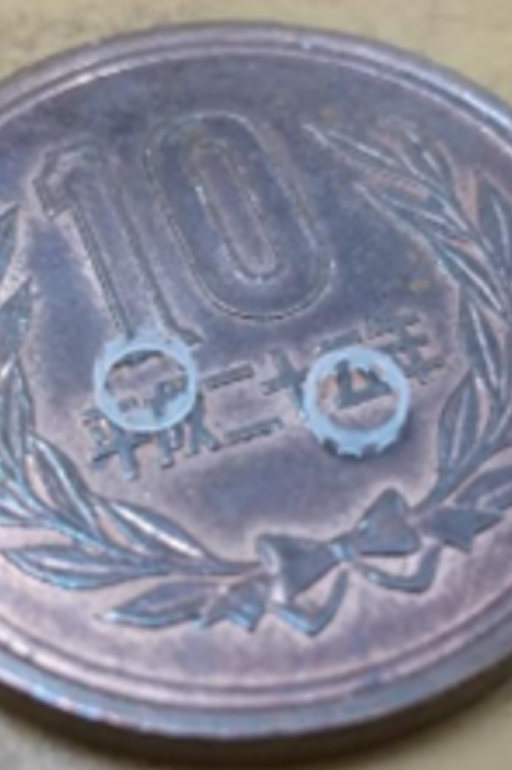
Developed the smallest-diameter resin retainer used in hard disk drives approximately the size of a 10-yen coin

2001-2010Steady Progress Toward the Future Amid Shifting Times
Amid a succession of global economic downturns, including the collapse of the IT bubble, the 9/11 terrorist attacks, and the 2008 Financial Crisis, Nakanishi Metal Works implemented decisive management reforms and strengthened its financial foundation. Even under severe economic conditions, the Company advanced organizational streamlining and reinforced its business base, laying the groundwork for renewed growth. The resilience cultivated through overcoming adversity became a cornerstone for subsequent business development.
- 2001
- Established NKC Conveyors Philippines Corp. (NCP) on Cebu Island, the Philippines
- 2002
- Established PT. Nakanishi Indonesia in Indonesia
- 2003
- Established Nakanishi Conveyor de Mexico S. DE R.L. DE C.V. in Mexico
- 2003
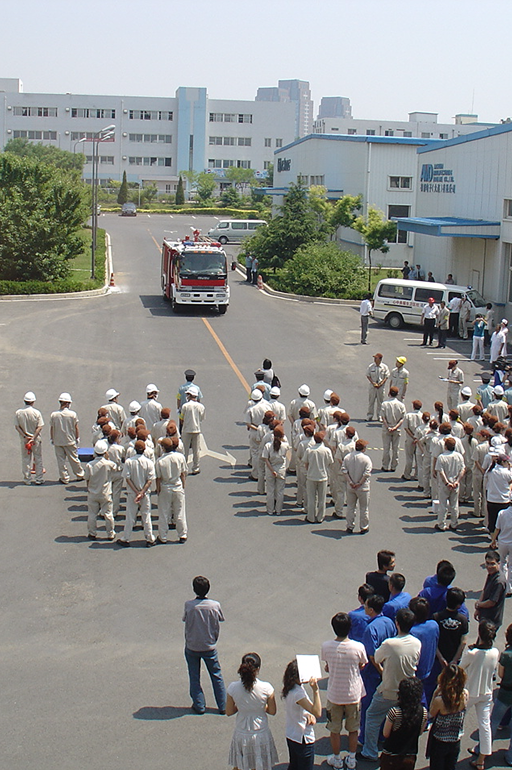
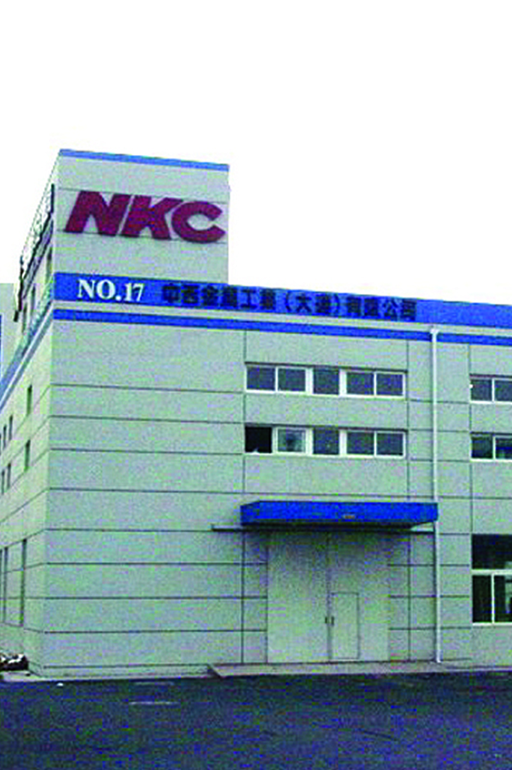
- Established NKC Manufacturing Dalian Co., Ltd. (NDC) in China
- 2005
- Acquired C.T. Machinery Co., Ltd. through a share transfer, making it a subsidiary
- 2005
- Established Nakanishi Manufacturing Wuxi Co., Ltd. (NWC) in China
- 2005
- Established Nakanishi Yusou Setsubi (Foshan) Co., Ltd. (NFC) in China
Tatsuo Nakanishi appointed as the 4th President
- 2002
- Commenced production of highly design-oriented resin operator handles
- 2003
- Launched the Tenma Incubation Lab (TiL), a manufacturing venture support initiative, at the head office
- 2009
- Introduced N-SITE, a customer-oriented total service offering

2011-2020Building a Resilient Enterprise Capable of Overcoming Dramatic Social Change
The 2010s were marked by major societal upheaval, including the Great East Japan Earthquake and the emergence of COVID-19. During this period of volatility, NKC worked to sustain and grow its existing businesses while actively promoting new company formations and mergers and acquisitions. By establishing multiple pillars to support growth across its divisions, NKC continued to respond flexibly to a changing market environment. Anchored in stability and propelled by continuous evolution, NKC shaped its future identity and built a robust platform for the next 100 years.
- 2011
- Established NKC Manufacturing Sweden AB (NSC) in Sweden
- 2012
- Entered the coil rolling business and established Banshu Nakanishi Metal Works Co., Ltd.
- 2014
- Established NKC Murayama Solar Power Co., Ltd.
- 2014
- Acquired E-Globaledge Corporation through a share transfer, making it a subsidiary
- 2014
- Acquired Suda Corporation through a share transfer, making it a subsidiary
- 2015
- Established NKC Nagai Green Power Co., Ltd.
- 2015
- Established ISA Co., Ltd.
- 2015
- Made Fuji Honing Industrial Co., Ltd. a subsidiary
- 2016
- Established Yamagata Wood Chip Center Co., Ltd. (merged into NKC Nagai Green Power Co., Ltd. on April 1, 2025)
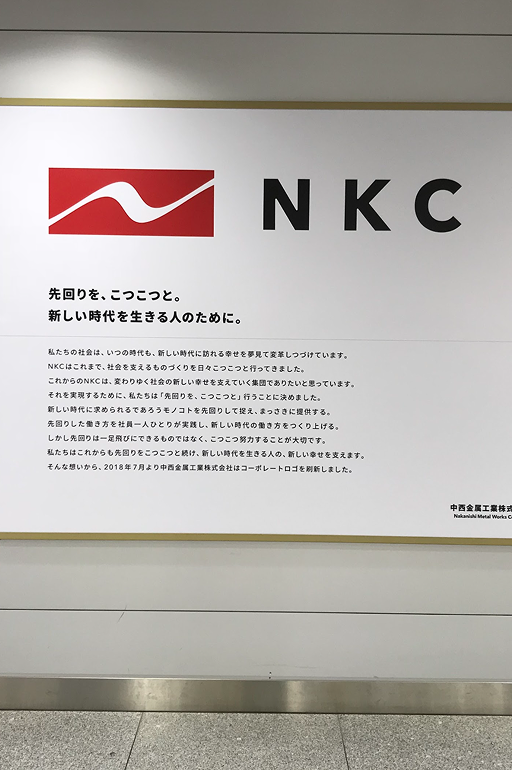
- 2018
- Renewed the corporate identity (CI)
- 2015
- Launched the cleaning robot RoboCreeper
- 2015
- Developed a low-profile AGV equipped with an in-house microcontroller
- 2018
- Launched the pet products business animacolle and began sales via an e-commerce site
- 2019
- Commenced operation of the e-commerce site AMHA

2021–2025Toward the Next 100 Years
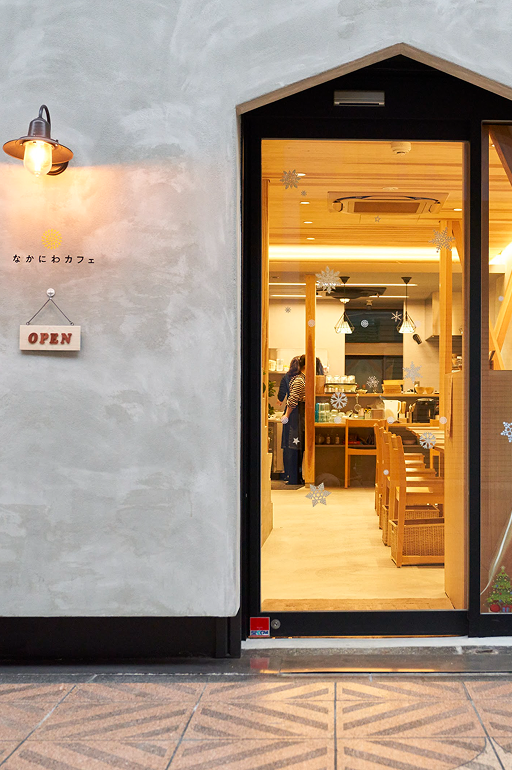
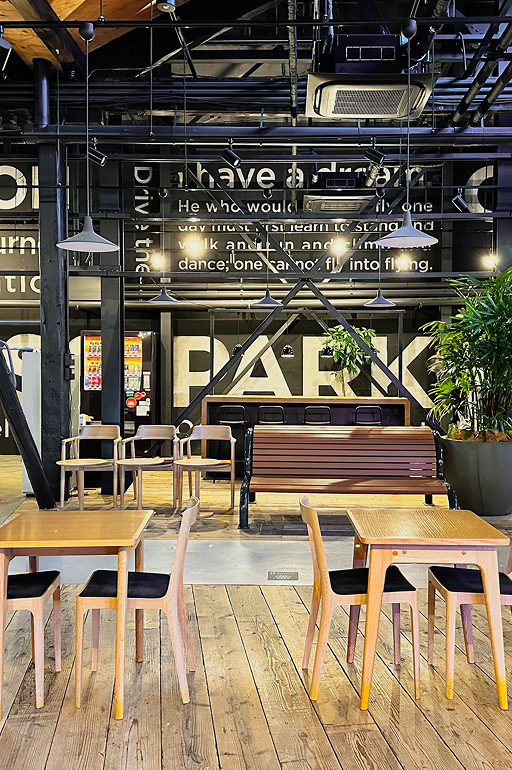
Despite the COVID-19 pandemic, NKC ensured business continuity through its BCP framework and accelerated its performance recovery. In 2022, the Company entered into a comprehensive partnership agreement with Osaka Prefecture and opened the Nakaniwa Café in the Tenjimbashi-suji shopping street near its headquarters, a community space combining a welfare café with a children’s cafeteria. In 2024, NKC formulated the NKC Sustainability Vision 2024, aiming to achieve both the resolution of social issues and sustainable business growth, while continuing to pursue progress without fear of change.
- 2021
- Establishment of NKC NASSH Co., Ltd.
- 2021
- Construction of the Kobe Plant at the Kobe Techno-logistics Park; Banshu Nakanishi Metal Works was merged into Nakanishi Metal Works (Tenma Sheet Metal Division)
- 2022
- Nakanishi Metal Works Co., Ltd. concluded a comprehensive partnership agreement with Osaka Prefecture
- 2023
- Received the Osaka City Environmental Award
- 2024
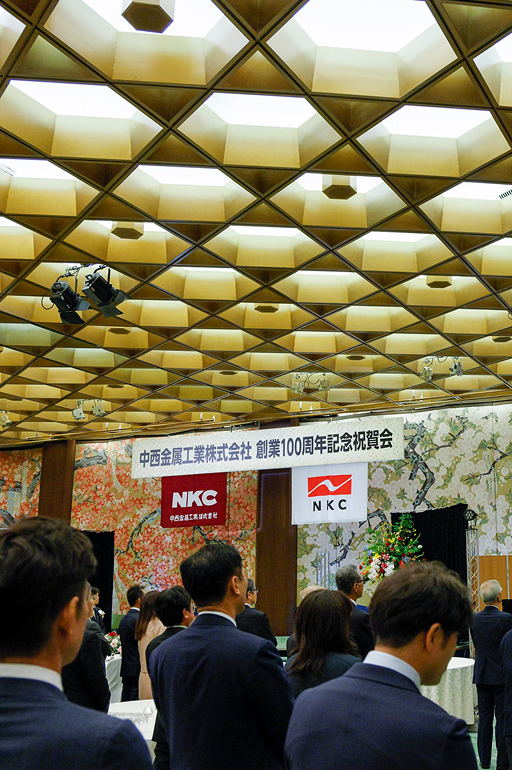
- Marked the 100th anniversary of the Company’s founding on June 19
- 2021
- Commencement of production of compact operator handles
- 2021
- Launch of the transportation management system Hacologi
- 2022
- Opening of NKC Nakaniwa Café
- 2024
- Formulation of the NKC Sustainability Vision 2024